
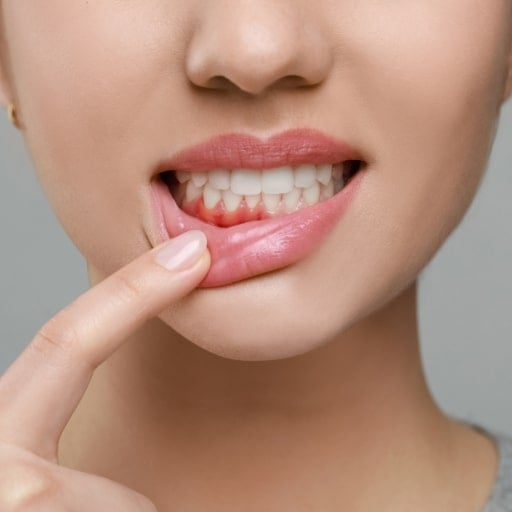
Gingivitis is one of the most common oral health concerns—and one of the most misunderstood. Because it often starts with small or difficult-to-notice symptoms, many people don’t realize there’s a problem until their gum issues have progressed past gingivitis. The good news is that gingivitis is highly treatable when addressed early, and with the right approach, it can often be reversed entirely.
Want to learn more about gingivitis? Read our blog or call Rudnick Dentistry in Palm Beach Gardens. We help patients protect their gum health with proactive care, modern techniques, and personalized guidance designed to support long-term oral wellness.
What Is Gingivitis—and Why It Shouldn’t Be Ignored
Gingivitis is an early stage of gum disease caused by plaque buildup along the gumline. When plaque isn’t removed consistently, it triggers inflammation in the gums. While gingivitis does not damage bone or cause tooth loss, it is a warning sign that your gums need attention.
Left untreated, gingivitis can progress into more advanced periodontal disease, which can affect the stability of your teeth and the appearance of your smile. Addressing gum inflammation early helps preserve both your oral health and the refined look of your smile.
Common Signs of Gingivitis
One of the challenges with gingivitis is that it often doesn’t cause pain. That’s why paying attention to subtle changes matters. Common signs include:
- Red, swollen, or tender gums
- Bleeding during brushing or flossing
- Persistent bad breath
- Gums that look irritated or shiny
If you notice any of these symptoms, it’s worth taking action sooner rather than later.
Daily Habits That Help Treat and Reverse Gingivitis
Consistent home care is one of the most effective ways to treat gingivitis. Small daily habits can make a noticeable difference over time.
- Effective Brushing: Brush twice daily using gentle pressure and a soft-bristled toothbrush. Angle the brush slightly toward the gumline to remove plaque where it tends to collect.
- Daily Flossing: Flossing is essential for cleaning between teeth and below the gumline—areas your toothbrush can’t reach. This step alone can significantly reduce inflammation.
- Thoughtful Product Choices: Using dentist-recommended toothpaste and mouth rinses can help support healthier gums without irritating sensitive tissue.
These habits don’t require dramatic changes—just consistency with your oral care routine and proper techniques when caring for your oral health.
Lifestyle Factors That Affect Gum Health
Your gums are influenced by more than just brushing and flossing. Factors such as stress, smoking or vaping, dehydration, and diet can all impact inflammation levels in the mouth. Managing stress, staying hydrated, and maintaining a balanced diet can support healthier gums and improve your body’s ability to heal.
Why Professional Cleanings Matter
Even with excellent home care, plaque can harden into tartar over time. Once that happens, it can’t be removed with brushing or flossing alone. Professional dental cleanings are essential for gently removing buildup and allowing the gums to heal.
Routine cleanings also give your dentist the opportunity to monitor gum health closely and make personalized recommendations before minor concerns become more complex issues.
When to See Your Dentist
If gum bleeding, swelling, or tenderness continues despite good home care, it’s time to schedule a visit. Gingivitis is easiest to treat in its early stages, and professional guidance ensures you’re using the right approach for your specific needs.
Protect Your Gums, Protect Your Smile
Healthy gums are the foundation of a confident, attractive smile. By staying attentive to early signs of gingivitis and committing to consistent care, you can protect your oral health and preserve the appearance of your smile for years to come.
If you have concerns about your gum health, a professional evaluation can help you move forward with clarity and confidence.

