
REPLACE MISSING TEETH. UNDERSTAND YOUR OPTIONS.
A more confident smile starts with a clear plan
Missing teeth can change what you eat, how you speak, and how comfortable you feel smiling. Dental implants can support replacement teeth that fit your needs, whether you are missing one tooth, several teeth, or a full arch.
At Rudnick Dentistry in Palm Beach Gardens, Dr. Andrew Rudnick, DMD brings restorative and cosmetic planning together. Your visit starts with your concerns, an examination, and a discussion of what can be preserved and what may need replacing.
Know your choices, expected timeline, and estimated fees before deciding on treatment.

Andrew Rudnick, DMD
LVI Fellow · In private practice since 1996
Find what matters to you Your options Patient stories Candidacy 3D imaging The process Cost FAQs
Dental Implant Options for Your Smile
The replacement teeth are planned along with the implants that support them. The right choice depends on which teeth are missing, your bone and gum health, and how you want to care for your smile.
Single Tooth Dental Implants
A single implant can support a custom crown. It may replace a tooth without preparing neighboring teeth for a conventional bridge. The shape, shade, and bite of the crown are part of the plan.
Implant Supported Bridges
An implant bridge can replace a group of missing teeth. You may not need one implant for every missing tooth. The span, available bone, and bite help determine the number and position of implants.
Full Mouth Dental Implants
Full mouth implant treatment replaces teeth in both the upper and lower jaws. A full arch restoration replaces the teeth in just one jaw. Several implants can support each arch, so replacing a full set of teeth does not necessarily mean placing an implant for every tooth. Your plan should consider your bite, appearance, speech, and cleaning access.
All on 4 Dental Implants
All on 4 is a specific approach that supports a fixed full arch of replacement teeth on four implants. It is one possible approach within full arch implant care. The number of implants that is right for you depends on bone, bite forces, and the planned teeth. A consultation helps compare approaches and determine which treatment is suitable.
If several natural teeth can be repaired, full mouth rehabilitation may be another approach. Healthy, maintainable teeth should be considered before planning extractions.
Hear From Our Patients
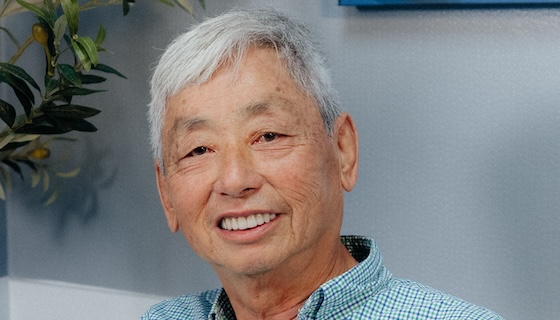
“Dr. Rudnick was very down to earth and polite. He is very skilled at dentistry, walking me through every step of the procedure making sure that I understood the process and the different dental implants options.”
Teerachai S. · Patient testimonial
A patient’s experience can help you know what to ask. Your treatment and results will depend on your own dental health and plan.
What Is a Dental Implant?
An implant is a small post placed in the jawbone to support a replacement tooth or teeth. A connector called an abutment joins the implant to the visible restoration. Depending on the plan, that restoration may be a crown, bridge, or denture.
Three parts working together
- Implant: the foundation placed in the jawbone.
- Abutment: the connection between the implant and restoration. Its design depends on the system and type of teeth being supported.
- Restoration: the visible tooth or teeth used for smiling and chewing.
Implants can provide stable support and may help avoid preparing nearby teeth. They still need healthy surrounding tissues, daily cleaning, and professional follow up. The implant and replacement teeth can each need repair or replacement over time.

Are You a Candidate for Dental Implants?
Being interested in implants is enough reason to ask for an evaluation. You do not need to decide on a procedure before your visit. Dr. Rudnick will review your health, goals, and the condition of your remaining teeth.
Bone and gum health
The implant site needs adequate bone and healthy supporting tissues. Gum disease and infection may need treatment first. Bone loss does not automatically rule out implants, but it may change the available options.
Medical history and medications
Share your health conditions, medication list, smoking history, and previous healing problems. Diabetes control, tobacco use, and certain medications can affect surgical planning and healing. Do not stop prescribed medication on your own.
Teeth worth preserving
An implant is not automatically better than a natural tooth that can be maintained. Ask about treatment to preserve a tooth when appropriate, as well as replacement choices if it cannot be saved.
Your daily routine
Cleaning ability, bite forces, grinding, and your preferences matter. A fixed restoration and a removable denture have different care needs. Your plan should fit a routine you can maintain.
What if you have bone loss?
Additional bone treatment may be considered before or during implant care, or a different replacement option may be more suitable. The examination and imaging help answer this question. No one can confirm the need for a graft or the feasibility of implants from a photograph alone.
3D CT Scans and Guided Dental Implant Planning
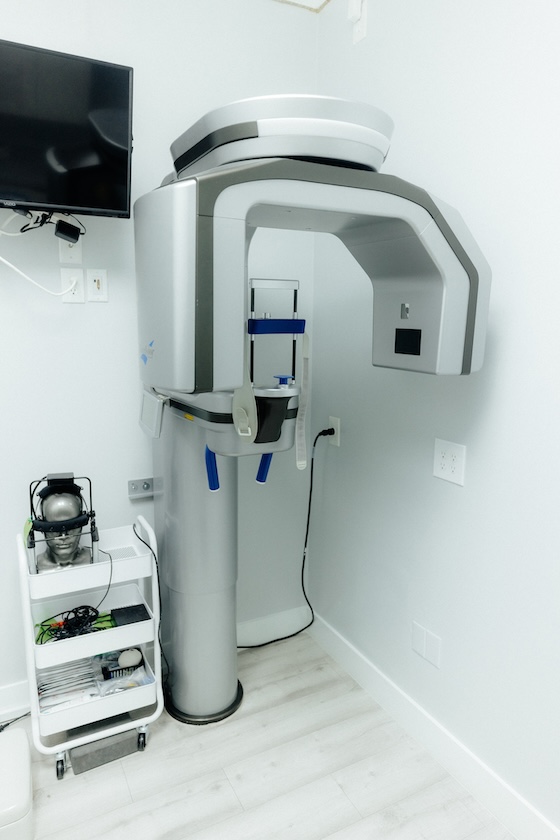
A successful plan considers both the replacement teeth and the bone that will support them. At Rudnick Dentistry, 3D imaging and digital planning help Dr. Rudnick evaluate your anatomy and explain the proposed approach before implant treatment.
What a CBCT scan helps us see
Cone beam computed tomography, or CBCT, produces a three dimensional view of your teeth and jaws. When this imaging is appropriate, it helps us assess bone height and width and the location of nearby nerves, sinuses, and tooth roots. Those details are considered alongside your examination, medical history, and the design of your replacement teeth.
What happens during the scan?
You stay still while the scanner moves around your head. The scan is noninvasive and uses X rays. Our team explains how to position yourself and what to remove before imaging. Bring recent dental images or let us know where they were taken so we can review what is already available.
How guided implant planning works
Digital records help plan the position and angle of an implant in relation to the intended crown, bridge, or full arch restoration. In suitable cases, a custom surgical guide helps transfer that plan to implant placement. The approach is selected for your anatomy and treatment needs.
What this means for your care
Your records help us discuss whether implants are appropriate, where they may be positioned, and whether bone treatment or another approach needs consideration. They also help coordinate the surgical and restorative stages. Technology supports the clinical decisions that shape your plan.
Imaging chosen for a reason
CBCT typically involves more radiation than conventional dental X rays. It should be used when the expected information justifies the exposure. Tell us about recent imaging and if you are pregnant or may be pregnant. Scans and guides do not eliminate surgical risks or guarantee a particular result.

Implant Planning With Dr. Andrew Rudnick
Dr. Rudnick is an LVI Fellow and has been in private practice since 1996. His restorative and cosmetic approach considers the teeth you will see and use as well as the foundation that supports them.
Planning around your goals
Tell us what matters most to you: eating more comfortably, replacing a missing tooth, or exploring an alternative to dentures. Your examination and records help Dr. Rudnick compare options while considering your remaining teeth, bite, and smile.
A plan you can understand
Before treatment, ask about the proposed teeth, temporary replacements, healing time, and ongoing care. Dr. Rudnick will explain the sequence, the estimated fees, and whether another clinician should be involved.
The Dental Implant Process
A clear treatment sequence helps you plan your visits and understand what happens between them. Some steps can be combined; others need time for healing.
1. Evaluation and treatment choices
Discuss your concerns and review the examination, records, and replacement options. Ask which teeth can be retained and whether surgery, grafting, or specialist care is needed. Review an itemized estimate before treatment.
2. Preparation and implant placement
Any needed extractions, infection control, or bone treatment are coordinated with the implant plan. Anesthesia and appropriate comfort options are discussed in advance. Implant placement is a surgical procedure.
3. Healing and temporary teeth
The bone needs time to integrate with the implant. Healing often takes several months, depending on the case. Ask what you will wear during this period and which eating or activity restrictions apply.
4. Final teeth and follow up
The final crown, bridge, or denture is fitted after the required healing and checks. The team assesses your bite and cleaning access and explains ongoing care. Regular visits help monitor the restoration and surrounding tissues.
Can you get teeth on the same day?
A temporary restoration may be possible at implant placement for selected patients. It is not the same as completing every stage of treatment in one day. Implant stability, bone, bite forces, and the overall plan determine whether this is appropriate. Ask about the temporary teeth, diet restrictions, and timing of the final restoration.
Full Mouth Implants, All on 4, and Removable Options
These names describe different parts of a treatment plan. Full mouth describes treatment involving both jaws. All on 4 describes a full arch supported by four implants. All on X is a broader term for a full arch supported by a planned number of implants. These terms are related, but they are not interchangeable.
For someone missing teeth in both jaws, each arch needs its own assessment. The upper and lower jaw may need different implant arrangements. The plan also determines whether you can receive temporary teeth at placement or need another replacement during healing.
Fixed or removable? This is another important choice. Both use implants, but they fit differently into everyday life. Compare cleaning needs, comfort, the complete cost, and future maintenance before deciding.
Fixed full arch teeth
You keep the teeth in place day and night. You must clean carefully underneath and around the restoration using the methods recommended by your team. Professional maintenance may involve removing the restoration. Plan for future repairs as well as routine care.
Removable Implant Dentures
You remove the denture for cleaning as instructed and clean around the attachments. The denture can offer more retention than a conventional denture, but it still needs fit checks and servicing. Worn attachments or changes in tissues can affect the fit.
A conventional bridge or denture may also be appropriate. Some alternatives avoid implant surgery. Compare the whole plan, including effects on nearby teeth, healing time, daily cleaning, and future maintenance.
Dental Implant Costs and Payment Planning
There is no single fee that accurately describes every implant case. A quote for an implant post alone may leave out the connector, replacement teeth, or other required care. Ask for an itemized estimate of the complete plan.
What can affect the total?
The number of implants and teeth, extractions, bone treatment, imaging, temporary restorations, restoration materials, anesthesia or sedation, and specialist services can all change the cost.
What should you ask before starting?
Ask which stages are included, when payments are due, what could change the estimate, and how follow up and repairs are handled. Confirm insurance benefits and any financing terms for your situation.
Our insurance and payment information is a starting point. Coverage and financing eligibility must be checked individually. A staged plan may be possible when clinically appropriate.
Recovery and Long Term Implant Care
Comfort during and after treatment
Discuss anxiety, anesthesia, and sedation options before your visit. Soreness, swelling, bruising, or bleeding can occur after surgery. Follow your own written instructions for cleaning, eating, medications, and activity.
Keeping implants healthy
Clean the implant and restoration as instructed and attend recommended dental visits. Tissue inflammation, bone loss, loose components, or damage to the teeth can require treatment. Report a loose implant or restoration, worsening pain, or other concerning symptoms promptly.
Understand the benefits and risks
Implants can support chewing and appearance, but they can also fail to integrate or develop complications later. Risks include infection and damage to nearby structures; the location and procedure affect your individual risk. Your consultation should cover alternatives and what further treatment might be needed.
There is no guaranteed lifespan or universal success rate for your case. The condition of your tissues, health, bite, restoration, and daily care all matter. Keep the implant system details with your dental records.
Patient Stories From Rudnick Dentistry


These are individual patient experiences. Treatment needs and results differ from person to person.
Dental Implant FAQs
How long does dental implant treatment take?
The timeline depends on whether you need extractions or bone treatment, implant healing, and the type of final teeth. Healing may take several months, and some plans take longer. Ask for a sequence that includes temporary teeth and the final restoration.
Will I have to go without teeth?
Ask about temporary replacement teeth before treatment starts. A removable or fixed temporary may be possible, depending on the case. It may have limits on chewing or wear. The team should explain the plan for each stage.
Am I too old for dental implants?
Age alone does not decide suitability. Overall health, bone and gum condition, medications, and the ability to maintain the restoration are more useful considerations. An evaluation helps determine whether implants or another option fits your needs.
Can I have implants if I have gum disease?
Gum disease needs assessment and may need treatment before implant placement. A history of gum problems makes maintenance especially important. Your dentist will review tissue health and whether additional care is needed.
Does every missing tooth need its own implant?
No. Several teeth may be supported by an implant bridge or full arch restoration. The number and placement of implants depend on anatomy, the planned teeth, bite forces, and cleaning access.
Are implants painful?
Anesthesia is used for placement, and comfort options are discussed before surgery. Recovery can involve soreness and swelling. Experiences vary, so ask what to expect for your procedures and how to reach the office if you are concerned.
Will insurance cover dental implants?
Coverage depends on your plan and the individual services. Ask the team to review an estimate of benefits, exclusions, and annual limits. An insurance estimate is not a guarantee of payment.
Can I switch from dentures to fixed implant teeth?
Possibly. The fit and condition of your denture, available bone, health, and restoration plan need evaluation. An existing denture cannot always be converted. Compare removable and fixed options before committing to treatment.
Google Reviews From Our Patients
Reviews reflect individual experiences with the practice.
Start With an Implant Consultation in Palm Beach Gardens
Bring your questions, medication list, and any recent dental records. We will help you understand the condition of your teeth, your replacement options, and the next steps toward a plan.
Questions before scheduling? Call 561-406-8564 or contact our team.
Rudnick Dentistry · 4274 Northlake Blvd, Palm Beach Gardens, FL 33410
Patient education resources
American Dental Association: Dental implants · FDA: Dental implant benefits and risks

