
HEALTH. FUNCTION. CONFIDENCE.
A coordinated plan for a healthier, more comfortable smile
Worn, damaged, or missing teeth can make chewing uncomfortable and leave you unsure where to start. Full mouth rehabilitation brings your dental needs together in one personalized plan, with clear priorities and time to understand your choices.
Dr. Andrew Rudnick, DMD, an LVI Fellow in private practice since 1996, provides restorative and cosmetic care in Palm Beach Gardens. Your evaluation considers your teeth, gums, bite, health history, and goals.
Start with an evaluation. Discuss the options, timing, and fees before deciding on treatment.
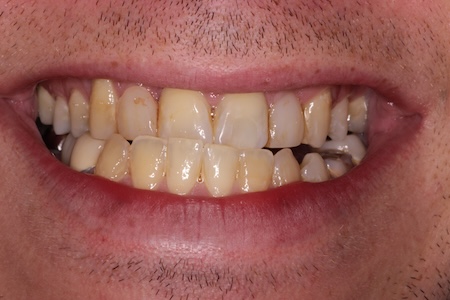
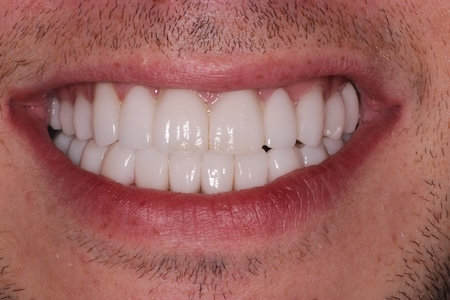
Patient comparison from our existing gallery. Treatment needs and results vary.
Explore your options Overview · Who it may help · Treatments · The process · Timing and cost · FAQs
What Is Full Mouth Rehabilitation?
Full mouth rehabilitation, also called full mouth reconstruction, is a coordinated approach to repairing or replacing teeth and restoring oral function. It is a treatment plan, not a single procedure. It may combine crowns, fillings, bridges, implants, or dentures with care for gum disease and other dental problems.
The goal is to help you chew more comfortably, protect remaining tooth structure where possible, and create a smile that suits you. Not every tooth needs treatment. Recommendations should be based on your examination, the condition of each tooth, and the alternatives available.
How it differs from a smile makeover
A smile makeover mainly focuses on appearance, such as tooth color, shape, and spacing. Rehabilitation puts dental health and function at the center of the plan. The two approaches may overlap when both function and appearance need attention.
How it differs from full arch implants
Full arch implant treatment replaces an entire upper or lower arch of teeth. Rehabilitation can preserve natural teeth and combine several treatments. Dental implants are one possible option, not a requirement for every patient.
Who May Benefit From Full Mouth Reconstruction?
A comprehensive evaluation may be helpful when several dental concerns affect the way your teeth work together, especially if you have:
- Multiple broken, worn, or heavily restored teeth
- Several missing teeth or difficulty chewing
- Older dental work that needs repair or replacement
- Tooth decay or gum problems affecting more than one area
- Changes in tooth shape, height, or appearance that concern you
Your dentist will assess which teeth can be maintained, whether your gums and supporting bone are healthy enough for treatment, and how your medical history may affect healing. Smoking, certain health conditions, and daily cleaning habits can influence the plan.
Jaw pain needs its own assessment
Jaw discomfort can have several causes. Repairing damaged teeth does not guarantee relief from TMJ symptoms. If you have jaw pain, discuss a separate TMJ evaluation and conservative options before considering permanent changes to teeth or the bite.
Treatments That May Be Part of Your Plan
Your plan may use a few of these services or a combination across several stages. Dr. Rudnick will explain the purpose of each recommendation, its limitations, and reasonable alternatives.
Crowns, fillings, inlays, and onlays
Dental crowns can cover weakened or damaged teeth. Fillings, inlays, or onlays may be suitable when more healthy tooth structure can be preserved. Fastmill one day crowns may be available for suitable cases; a full rehabilitation often takes longer than one visit.
Dental implants
Implants can support replacement teeth when one or more teeth are missing. Planning considers bone, gum health, medical history, and healing. Surgery, healing time, maintenance, and possible additional procedures should be discussed before treatment.
Dental bridges and dentures
Bridges and dentures offer other ways to replace missing teeth. The number and position of missing teeth, the condition of supporting teeth, and your preferences help determine whether a fixed or removable option fits your needs.
Gum care and treatment of infection
Periodontal care may be needed before final restorations. When appropriate, root canal treatment may help retain an infected tooth. Teeth that cannot be maintained may require extraction and a replacement plan.
Porcelain veneers and cosmetic finishing
Porcelain veneers may improve the appearance of suitable front teeth. They do not replace missing teeth or treat active decay and gum disease. Shape and shade choices should fit both your preferences and the functional needs of your teeth.
Bite evaluation and restorative planning
Your dentist checks how your teeth meet and how planned restorations will work together. Temporary restorations may help assess appearance and function when appropriate. Any orthodontic or specialist care should be coordinated as part of your individual plan.
What to Expect During Full Mouth Rehabilitation
A clear sequence helps you understand what comes first and why. Your plan can change as healing, comfort, and clinical findings are reviewed.
1. Consultation and records
Discuss what bothers you, what you hope to change, your medical history, and your priorities. The evaluation may include photographs, digital scans, and X rays. Three dimensional imaging is used when clinically indicated. Bring your medication list and details of previous dental treatment.
2. Options, priorities, and stabilization
Review the findings, alternatives, estimated fees, and treatment sequence. Urgent pain, infection, decay, or gum problems may need attention before final restorations. Referral to another clinician may be appropriate for part of your care.
3. Restorations and healing
Teeth are repaired or replaced according to the agreed plan. This may involve temporary restorations, laboratory work, implant healing, or several visits. Where a smile preview or temporaries are used, they help communicate goals but cannot guarantee an exact result.
4. Review and ongoing care
The team checks the fit, bite, appearance, and your comfort with completed restorations. You receive cleaning and maintenance instructions and a plan for follow up visits. Report problems promptly so they can be evaluated.
Timing, Cost, and Planning Your Visits
How long does treatment take?
The timeline depends on the work needed, whether treatment is staged, and how tissues heal. Some restorative care may be completed over several visits, while plans involving surgery or extensive healing may take months or longer. One day crown technology does not mean that every rehabilitation can be finished in one day.
What affects the cost?
Fees depend on the number of teeth treated, restoration materials, imaging, surgery, laboratory work, and any specialist services. Ask for an itemized estimate and a discussion of alternatives. Insurance and payment information can help you prepare; benefits and financing eligibility must be confirmed for your situation.
If timing or budget is a concern, ask whether treatment can be divided into safe stages. Some problems should be treated sooner, and postponing care may change the options. A staged plan is based on clinical needs as well as your priorities.
Comfort, Recovery, and Caring for Your Restorations
Managing comfort and anxiety
Tell the team about dental anxiety and previous experiences. Local anesthesia and, when appropriate, sedation options can be discussed. Suitability depends on your health and the planned procedures. Some options require an escort and restrictions on driving afterward.
Understanding recovery and risks
Sensitivity, soreness, diet changes, and recovery time depend on the procedures performed. Surgical and restorative treatments have different risks, including infection, restoration damage, or the need for further care. Your dentist should explain the risks and aftercare for each part of your plan.
Protecting your investment over time
Brush and clean between your teeth every day, following the instructions for any bridge, denture, or implant restoration. Keep the recommended dental and hygiene visits. If grinding is a concern, ask whether a protective appliance is appropriate. Restorations can wear, chip, loosen, or require replacement; no treatment can promise a lifetime result.
Contact the office if your bite feels different, a restoration becomes loose, or discomfort persists. Prompt review can help identify the cause before the problem becomes more involved.

Why Choose Rudnick Dentistry for Your Evaluation?
Dr. Andrew Rudnick, DMD, is an LVI Fellow and has been in private practice since 1996. At our Palm Beach Gardens office, restorative and cosmetic options can be considered together, with a plan based on your dental health and priorities.
Our practice offers a range of treatments, but the right plan may also include a referral. A useful consultation should help you understand what is recommended, what can wait, and what ongoing care will involve. Meet Dr. Rudnick and bring your questions to the visit.
Questions worth asking at your consultation
- Which teeth can be preserved, and why is each treatment recommended?
- What are the alternatives, including a more limited or staged plan?
- What will my temporary teeth and daily routine be like during treatment?
- What does the estimate include, and what might change it?
- How should I maintain the finished restorations?
Full Mouth Rehabilitation FAQs
Does full mouth rehabilitation mean every tooth needs a crown?
No. Treatment is based on the condition of each tooth and the way your teeth function together. Some teeth may need a filling, crown, or replacement, while healthy teeth may need no treatment.
Will I need dental implants?
Not necessarily. Implants are one way to replace missing teeth. Your dentist may also discuss bridges, removable dentures, or keeping suitable natural teeth. The options depend on your examination and preferences.
Can treatment be done in stages?
Often it can, but the order matters. Pain, infection, and unstable teeth may need attention first. Ask which stages can be separated safely and how the timing affects temporary and final restorations.
Will I be without teeth during treatment?
Ask about temporary teeth before treatment begins. Temporary restorations or a removable appliance may be possible, depending on the procedure and healing needs. Your dentist can explain the expected appearance and eating limitations during each stage.
Can I choose the shape and color of my new teeth?
Your preferences are an important part of planning. Discuss tooth shape, shade, and what you want to keep about your smile. Photographs, scans, previews, or temporaries may help guide decisions when appropriate, but the final result also depends on clinical limits.
Will insurance cover full mouth reconstruction?
Coverage is usually based on the individual procedures and your plan’s rules, rather than the name of the overall treatment plan. Ask for an estimate and a benefits review. A quoted insurance estimate is not a guarantee of payment.
Does rehabilitation cure TMJ pain?
No result should be guaranteed. Jaw pain needs a separate diagnosis, and crowns or permanent bite changes should not be offered simply as a cure for TMJ disorders. Discuss conservative options and whether another clinician should be involved.
How long will the results last?
Longevity varies with the treatments, your oral health, cleaning, bite forces, and follow up care. Restorations may need adjustment, repair, or replacement over time. Ask about maintenance needs for each option.
What Our Patients Say
Read patients’ experiences with Rudnick Dentistry. Reviews describe individual experiences and do not guarantee a particular treatment result.
Take the First Step Toward a Personalized Treatment Plan
You do not have to decide on a full treatment plan before your first visit. Start with an evaluation, explain your concerns, and learn which options fit your needs.
Visit Rudnick Dentistry at 4274 Northlake Blvd, Palm Beach Gardens, FL 33410. We welcome patients from nearby communities, including Jupiter and West Palm Beach.
Questions before scheduling? Contact our team. If you have urgent pain or swelling, see our emergency dentistry page for next steps.

